Understanding Senior Pet Care at Prairieville Animal Hospital
The aging journey for a pet is a quiet evolution. It doesn’t scream for attention the way a sudden limp does, but the changes accumulate. Over years spent watching a dog race the yard or a cat settle into a favorite sunbeam, you learn to read slower shifts in energy, appetite, and mood. At Prairieville Animal Hospital, senior care is not a single protocol but a living practice. It blends regular monitoring, thoughtful nutrition, and compassionate support for both pets and their people. This article shares how that approach shows up in everyday life, from routine exams to complex, age-related concerns.
A practical view starts with a mindset: aging is normal, but the aim is to preserve comfort, mobility, and companionship for as long as possible. The clinic’s team emphasizes proactive planning alongside careful management of chronic conditions. The goal is not to chase every new trend but to tailor a plan that respects a pet’s personality, medical history, and the realities of daily life in Prairieville.
The path through senior pet care is a collaboration. Pet owners bring deep knowledge of their companions, and veterinarians bring diagnostic tools and medical judgment. Together, you create a steady cadence of checkups, preventive measures, and timely interventions when needed. It’s about sustainability—keeping the everyday moments that matter, whether that means a walk around the block, a nap in the sun, or a quiet moment by the window.
A practical frame for what follows is simple. Regular evaluation helps catch problems early, when treatment is often easier and the impact on quality of life is greatest. Nutrition shifts with age, as metabolism slows and activity changes. Mobility can be supported with targeted exercises, supplements when appropriate, and environmental tweaks. Behavioral cues, especially in seniors, may reflect pain, cognitive changes, or medical issues that deserve attention. The outline below reflects real-world routines that many families find doable and meaningful.
Understanding the aging timeline helps set expectations. Pets age roughly seven to nine times faster than people, depending on breed and size. A medium-sized dog, for example, may begin noticeable age-related changes in the eight to ten year range, while small dogs can show signs earlier or later based on their genetics and health history. Cats often show aging through subtle shifts in appetite, litter box habits, and activity levels over the course of a few years. These general patterns are not rules, but they establish a framework for when to lean into closer watching and more frequent checkups.
A cornerstone of senior pet care is preventive pet care that aligns with the realities of aging. Preventive care is not only about vaccines and parasite control. It extends to chronic disease screening, dental health, and kidney and liver function tests that can reveal problems before symptoms become obvious. Adequate preventive care is the best way to maintain a sense of normalcy for as long as possible. In the end, prevention buys comfort, steadier mood, and a longer ability to participate in the things pets love.
A note on the environment matters as well. Senior pets sometimes become less confident on slick floors or stairs. Small adjustments, such as rugs in key areas, gentle ramps to beds or counters, and consistent routines around feeding and potty breaks, can reduce anxiety and prevent accidents. The team at Prairieville Animal Hospital often works with families to tailor home setups that respect a senior pet’s pace without sacrificing the daily moments that bring joy.
From a clinical standpoint, the senior year or two is not a single pivot but a period of heightened awareness. Vet teams gather information through regular examinations, bloodwork when indicated, and owner-reported observations. Over time, this produces a data trail that helps distinguish normal aging from emergent issues. The result is more precise management and a smoother, less stressful experience for both pet and owner.
Two essential strands weave through senior care at Prairieville Animal Hospital: consistency and adaptability. Consistency comes from scheduling and following through on recommended checkups, dental cleanings, and lab work at appropriate intervals. Adaptability means being ready to adjust the plan as the pet’s needs evolve. A dog who begins to exhibit fatigue may benefit from shorter walks and more frequent rest periods; a cat with early kidney changes may require changes to hydration strategies and diet. The ability to pivot is as important as the original plan.
In the following sections, you’ll find practical navigation points backed by clinical experience. Expect concrete examples, candid notes about trade-offs, and a clear sense of how a well-structured plan translates into calmer days for a senior pet.
A closer look at common age-related issues
One of the most frequent conversations around senior pet care centers on chronic diseases that accompany aging. Arthritis, dental disease, kidney concerns, thyroid fluctuations, and heart conditions are not unusual. The goal is not to eradicate these issues but to manage them in a way that preserves mobility, appetite, and mental engagement. The success stories come from consistent monitoring, early intervention, and careful stewardship of medications and supplements when appropriate.
Arthritis often manifests as stiffness after rest, reluctance to rise, or reduced interest in stairs and play. A practical response blends gentle exercise, weight management, and environmental support. Short, regular walks with a soft, padded surface can sustain joint flexibility without overexertion. Vet-guided options may include anti-inflammatory medications, joint supplements, and, in some cases, physical therapy or aquatic therapy. The balance is to ease pain while preserving the pet’s natural activity pattern.
Dental health quietly shapes overall well-being in older pets. Dental disease is not just about teeth; it affects appetite, systemic inflammation, and even heart function. Senior pets benefit from a dental cleaning plan that includes at-home brushing when feasible, periodic professional cleanings, and targeted oral care between visits. The precinct of care extends beyond the mouth and into general vitality.
Kidney and liver function require ongoing attention. As kidneys age, filtration capacity can decline, shifting how the body handles toxins and medications. Regular blood work helps track creatinine and BUN levels, among other markers, enabling proactive adjustments to diets and medications. Liver function tests serve a similar purpose for metabolic health. The practical takeaway is that some foods and medicines may need to be recalibrated over time to maintain balance.
Thyroid and metabolic changes count as well. Hyperthyroidism or hypothyroidism can emerge with age in both cats and dogs, altering energy, coat quality, and appetite. Small, frequent meals or specialized diets can stabilize energy levels and weight. The veterinarian’s task is to verify patterns through a combination of physical findings and tests, then tailor treatment to avoid overcorrection.
Mental aging, sometimes labeled cognitive decline, creates another layer of complexity. Seniors may wander at night, show disrupted sleep, or display subtle changes in recognition. While some degree of cognitive change is expected with age, significant shifts call for a deeper assessment. Management blends environmental enrichment, routine consistency, and medical options as appropriate. The aim is to preserve meaningful daily interactions and reduce distress for the pet.
Two lists you may find helpful as you reflect on senior care
-
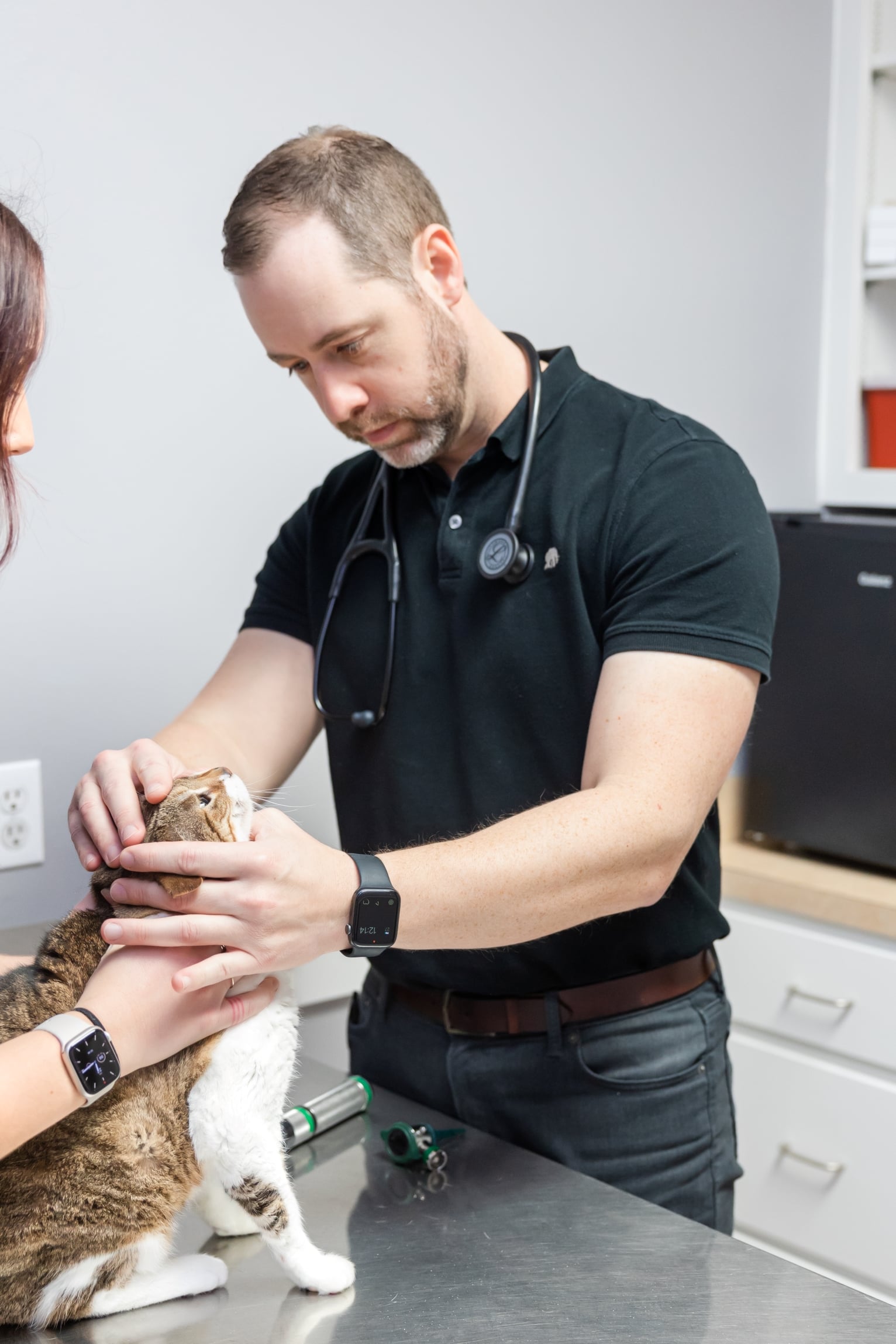
Signs that your senior pet may need a checkup soon
-
Increased thirst or urination or changes in urination patterns
-
Sudden weight changes without clear cause
-
Noticeable changes in appetite or chewing patterns
-
Stiffness after rest or reluctance to move
-
Behavioral shifts such as confusion, anxiety, or withdrawal
-
Services commonly emphasized in senior pet care
-
Comprehensive annual or semi-annual exams with focused senior physicals
-
Routine blood work to monitor organ function and general health
-
Dental evaluations and professional cleanings as needed

-
Nutrition counseling and weight management plans
-
Guidance on pain control, mobility aids, and safe environmental adjustments
Nutrition and weight management in later years
Diet holds a central place in how senior pets feel day to day. Many older pets thrive on diets formulated to support joints, kidney function, and heart health, but there is no one-size-fits-all solution. The conversation around food starts with an honest assessment of body condition. Some pets lose lean mass as they age; others gain weight due to slowed activity. Either scenario benefits from a personalized plan that respects taste preferences, dental status, and any medical conditions.
Portion control and feeding frequency matter. A common approach for seniors is smaller, more frequent meals to stabilize energy levels and help digestion. Hydration remains critical, especially for cats that may not drink enough on their own. Some households find that adding moisture to meals or providing a dedicated water bowl in multiple spots helps. When renal or cardiac concerns are present, a veterinarian may recommend a diet with restricted minerals or controlled protein sources. The key is ongoing assessment and adjustment based on lab results and observed energy.
Treats, supplements, and medications deserve careful judgment as aging unfolds. While many supplements claim broad benefits, not all are appropriate for every pet. A veterinarian can help parse evidence, consider drug interactions, and avoid unnecessary complications. If medications are prescribed, a clear routine for administration becomes part of daily life. The goal is to support comfort and function without creating avoidable stress for the pet or the household.
Activity, mobility, and home life
Staying active is one of the best ways to preserve mobility and mood in senior pets. Activity plans should align with the pet’s current energy and joint health. For dogs, this may translate to shorter, more frequent walks and low-impact games like fetch on soft surfaces. For cats, enrichment can come from puzzle feeders, controlled play sessions, and safe high perches that encourage climbing without overexertion. The environment matters. Rugs, non-slip mats, and accessible resting places reduce the risk of falls and create a sense of security.
Owners often underestimate how much simple routine changes can improve quality of life. A senior dog might benefit from a ramp to reach the bed or a stair lift for a favorite sofa. A cat might need litter boxes with lower sides or a quiet corner away from heavy foot traffic. These adjustments are not about coddling but about empowering independence and reducing daily stress.
Medical management in senior care
Chronic diseases underscore that senior care is a long game. Ongoing management frequently involves a blend of monitoring, therapy, and occasional adjustments to medication. The veterinary team at Prairieville Animal Hospital leans toward a collaborative line of communication with pet owners. Clear explanations about why a test is recommended, what the results might show, and how treatment will proceed help families feel engaged rather than overwhelmed.
Medications are common in older pets, sometimes for multiple conditions. A practical approach is to maintain a simple, accurate regimen. This includes labeled containers, a daily schedule that fits family routines, and regular reviews to prevent drug duplications or interactions. The team emphasizes the least invasive options that achieve meaningful relief or stabilization, while keeping an eye on potential side effects and the pet’s overall comfort.
Dental care remains a recurring theme. Even when pets seem fine otherwise, dental disease can quietly erode health. Regular dental cleanings and home care can have a disproportionate return in terms of appetite, energy, and general vitality. A dental plan may involve pre-procedure assessments, anesthesia considerations, and postoperative management that fits the pet’s age and health status.
Emergency readiness and care planning
A practical senior pet plan includes a readiness component for unexpected issues. This encompasses identifying signs that warrant urgent attention, such as sudden vomiting, inability to urinate, severe lethargy, or sudden collapse. Knowing when to seek care reduces fear and confusion during stressful moments. Prairieville Animal Hospital supports families by offering guidance on what constitutes urgent versus routine care and by providing clear pathways for rapid evaluation when problems arise.
Caregiver support and communication
Senior care is emotionally demanding. The most resilient plans acknowledge the caregiver’s needs as well. Ongoing dialogue with the veterinary team helps owners feel supported this website and informed. Scheduling, cost considerations, and the pace of decision-making should align with family realities. The clinic aims to make conversations practical rather than overwhelming, focusing on what matters most to the pet’s daily routine and comfort.
Two practical considerations that often shape decisions
-
The trade-off between regular, comprehensive testing and a more conservative, symptom-guided approach. In some cases, owners prefer to monitor changes at home and pursue targeted tests when concerns arise. In others, annual senior panels provide a stable frame for maintaining health. The best choice depends on the pet’s health history, breed, age, and lifestyle.
-
The timing of dental care in a senior patient with chronic disease. Dental procedures carry risk but can dramatically improve overall quality of life. Veterinary teams weigh anesthesia risk against the potential benefits, considering heart, liver, and kidney function. A tailored plan may involve preoperative assessment, adjustments in medications, and postoperative care that minimizes stress.
A note on accessibility and community care
Prairieville Animal Hospital emphasizes accessible, compassionate care for the families it serves. The practice seeks to be a reliable partner, whether you are new to the area or a longtime client seeking a trusted veterinary home. For pet owners looking for an animal clinic near me, the team aims to provide clear guidance, flexible scheduling, and transparent pricing. The overarching objective is steady, humane care that honors the bond between a pet and their person.
What makes senior care at Prairieville Animal Hospital distinctive
While every clinic will share core veterinary science, Prairieville Animal Hospital places emphasis on continuity of care, clear communication, and practical support. The approach is not about chasing every new treatment but about building a sustainable plan that respects the pet’s life story. It integrates preventive care with careful management of chronic conditions, always keeping the animal’s comfort and dignity at the center.
In practice, that means clinicians who make time for careful listening, owners who stay engaged in the decision-making, and routines that are predictable enough to reduce stress while flexible enough to adapt to change. The result is a senior care model that feels less transactional and more like a long-term partnership.
Practical takeaways for families with senior pets
-
Start with a baseline: If your pet has not had a comprehensive senior exam recently, schedule one. A full physical, bloodwork, and target screenings provide a reference point for all future decisions.
-
Plan for gradual shifts: We do not expect dramatic changes overnight. Instead, anticipate adjustments to diet, activity, and daily routines every six to twelve months, or sooner if issues arise.
-
Document observations: Keep a simple log of changes in appetite, energy, mobility, and bathroom habits. Bring it to visits to help your veterinarian understand trends and inform treatment choices.
-
Keep communication alive: Regular check-ins about pain, mobility, and cognitive changes help the team adjust therapies promptly. Don’t wait for a major problem to reach out.
-
Align expectations with reality: Quality of life is the central metric. Treatments should support comfort and daily joy without imposing unnecessary burdens.
Closing reflections
The senior years for a pet are a quiet accumulation of moments—the slow stretch after a nap, the careful sniff of a familiar scent, the soft purrs or contented sighs that mark a life well lived. The medical side of this journey, while layered and sometimes challenging, is built to preserve those moments rather than interrupt them. Prairieville Animal Hospital approaches senior care with a blend of evidence-based medicine, practical wisdom, and a steady respect for the emotional landscape that families navigate as their animals age.
If you are seeking an animal clinic near me, or you want to know more about affordable vet services or preventive pet care, consider how a clinic that prioritizes senior pet care can fit your household. The right veterinary partner anticipates needs, communicates plainly, and offers options rooted in real-world experience. In the end, the aim is simple and profound: to keep old friends comfortable, engaged, and cherished for as long as possible.
In the cadence of a familiar routine, care for senior pets becomes less about managing decline and more about sustaining the relationship you share. The stories you tell of a dog who still chases leaves in autumn or a cat who demonstrates quiet curiosity at a window are the ones that motivate ongoing attention, thoughtful care, and the steady presence of a veterinary team that treats aging not as a problem to solve, but as a stage of life to honor.