Prairieville Animal Hospital: What a Veterinary Visit Looks Like
The doors open and a familiar scent of antiseptic mixed with a hint of soft shampoo lingers in the air. At Prairieville Animal Hospital, a veterinary visit unfolds as a sequence of precise, small rituals. It’s not theater, but it has the rhythm of a well-rehearsed performance: the front desk greets you with a calm efficiency, the hallway hums with the quiet bustle of exam rooms, and the exam itself arrives in stages, each one building toward a clear understanding of your animal’s health. If you’ve ever wondered what actually happens behind the curtain when you bring in a pet for care, here is a grounded, real-world portrait from someone who has watched this process unfold day in and day out.
From the moment you walk in, the staff understand that every patient is a person’s best friend, a family member with quirks, routines, and needs. The reception area is more than a waiting room; it’s the point of contact where logistics and care intersect. Paperwork is streamlined, and the veterinary team makes space for questions without rushing you through the threshold. The goal is to set a tone of reassurance, even when the situation is urgent or the attendings are juggling a number of cats, dogs, and small mammals. That balance between empathy and efficiency defines the experience at Prairieville Animal Hospital. The front desk doesn’t simply process forms; they listen for context that shapes the visit. A tired beagle may have a backstory of long walks and seasonal allergies. A new kitten might come with a host of questions about vaccines, litter box habits, and the right bedding. The staff captures these details with a mix of form fields and friendly, open-ended prompts that help you feel heard.
Once you’re checked in, the next phase centers on triage and collection of essential information. The triage nurse arrives with calm hands and practiced questions. They verify your pet’s current medications, dietary changes, and any recent behavior shifts. They note whether a dog has been coughing or whether a cat has shown signs of irritability after meals. The questions aren’t meant to pry; they’re meant to map a narrative that guides the veterinarian’s approach. In this small, bounded space—an exam room or a treatment bay—the animal starts to settle in, if it can, or at least shows a controlled level of agitation that a professional can interpret. The difference between a pet who simply dislikes veterinary visits and one who is feeling unwell is often subtle. A practiced technician learns to read those signals quickly, distinguishing nerves from symptoms.
The exam itself unfolds like a careful audit. The veterinarian, who often has years of hands-on experience in this community, is not interested in ticking boxes for the sake of it. They’re listening for context, correlating a dog’s frequent sneezing with the season, or a cat’s appetite with possible dental discomfort. The standard physical exam covers a solid range of systems: heart and lungs, eyes and ears, teeth and gums, coat and skin, joints and mobility, and a quick assessment of weight and body condition. For many pets, the exam is a combination of gentle handling and purposeful scrutiny. A cat, for instance, may relax enough to let the clinician palpate the abdomen, while a dog might prefer to stay seated or stand, depending on its temperament and prior experience. The exam is not a single moment of revelation but a conversation in physical form, where what the veterinarian sees and what the owner describes come together in a diagnostic picture.
Vaccinations are a common focal point of visits, particularly for newer patients or animals due for boosters. Prairieville Animal Hospital approaches vaccines with a clear sense of local epidemiology and each animal’s risk profile. A puppy or kitten may require a structured vaccination plan with core vaccines and appropriate booster intervals, while adult animals might need a quick check to determine the timing of tetanus precursors, rabies status, and disease prevention compatibility with lifestyle. The decision-making process is collaborative. The veterinarian explains the rationale behind each recommended vaccine, the dog daycare prairieville potential side effects, and what to monitor after administration. If there is a history of adverse reactions in prior visits or in other family pets, that information becomes crucial in how the team proceeds. For many owners, the moment of seeing a vaccination plan become tangible is reassuring: the path forward is concrete, practical, and designed to minimize risk.
Diagnostics come into play when the physical exam reveals something that warrants a deeper look. A runny nose in a dog might prompt a simple swab or a brief blood test, while gastrointestinal signs in a cat could trigger a fecal sample or a stool culture. The staff at Prairieville Animal Hospital understand that tests are not verdicts but tools. They talk through options, often presenting a tiered approach: the least invasive starting point, followed by more targeted testing if needed. The goal is to avoid over-testing but to ensure that something manageable does not become something more serious. For the owner, this means clear explanations about what the results could mean, how reliable they are, and what the next steps look like in time, cost, and comfort for the patient.
In many visits, there is a moment when the veterinarian shares a plan that blends medical necessity with practical realities. This plan often involves a home care component, which is where the true day-to-day management of a pet’s health begins to matter. Whether it is a prescription for flea prevention, a specific diet adjustment for a weight management issue, or a step-by-step plan to manage chronic conditions, the care plan is crafted to fit real life. Prairieville Animal Hospital emphasizes patient and owner education, turning medical jargon into actionable steps. They will often draw on real-world data, such as how a 40-pound mixed-breed dog on a moderate exercise regimen tends to respond to a reduction in calories or how a senior cat’s mobility improves with a targeted joint health supplement. When the team discusses a plan for home care, they do it with the same calm, confident clarity you’d expect from a local professional who has seen everything from routine vaccines to complex chronic conditions.
Medication management is another critical piece. If a prescription is necessary, the veterinarian clearly explains the drug’s purpose, proper dosing, potential side effects, and the importance of adherence. They may offer a demonstration, particularly for injectables or medications that require careful timing. For many families, the process feels reassuring because it is concrete. The team often follows up with a quick call or message to check how the pet is tolerating the new regimen, especially during the first 48 to 72 hours after a change. The aim is not to overwhelm but to support successful outcomes. The routine call-back is not a marketing tactic but a practical touchstone to catch any adverse reactions early, ensuring safety and comfort for the animal.
If the visit involves a surgical pre-appointment or a minor procedure, the experience carries its own choreography. Pre-operative checks, consent forms, and post-anesthesia recovery plans all fall under the same careful umbrella. The staff walks owners through what to expect: when to withhold food, how to monitor for signs of pain, and what post-operative restrictions might apply. The team’s confidence in these processes comes from days of hands-on work, backed by hospital protocols that balance efficiency with animal welfare. You walk away with a written plan and a clear sense of when to call in case something unexpected arises. Even in the most routine procedures, Prairieville Animal Hospital treats the moment as a shared responsibility between clinician and owner.
Grooming, behavioral advice, and nutritional counseling are other facets that often accompany medical care. The hospital’s approach treats pets as whole beings, not bundles of symptoms. A grooming consult might be paired with a dental check, especially for older pets whose hygiene routine could use an update. Behavior questions are not dismissed as trivia. If a dog pulls on the leash or a cat scratches furniture, the veterinarian and technician offer strategies that respect the animal’s temperament and the owner’s lifestyle. It’s not about forcing every pet into a cookie-cutter pattern; it’s about identifying practical adjustments that fit real homes. Nutrition conversations can cover everything from calorie targets to feeding schedules for multi-pet households, with an emphasis on reliable, accessible products and realistic timelines for change.
Post-visit realities involve scheduling follow-ups, adjusting the care plan as new information emerges, and knowing when to escalate concerns. Prairieville Animal Hospital’s team emphasizes continuity of care. A single visit does not stand alone; it connects to past and future visits in a way that builds trust and reduces the stress of medical events for pets. The system for reminders, rechecks, and seasonal wellness visits is built to feel supportive rather than punitive. If you work irregular hours or manage a busy household, the efficiency with which the hospital integrates reminders and rescheduling options can make a tangible difference in how smooth the overall process feels.
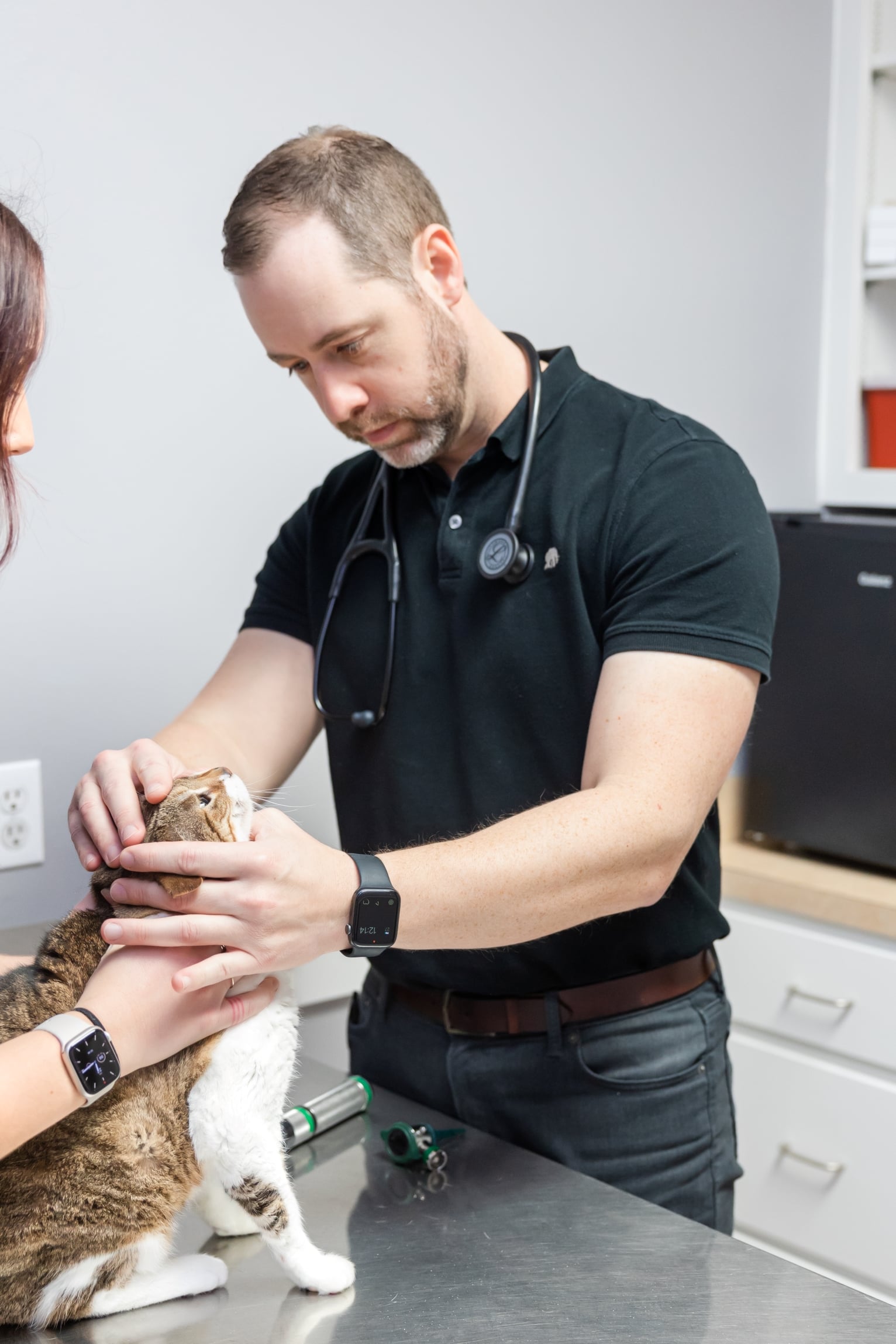
The human elements of the visit deserve attention too. Throughout, the staff’s demeanor matters as much as the technical proficiency. They speak in plain language, avoiding jargon that can confuse or intimidate. They acknowledge the emotional component of caring for a beloved animal, offering space to vent concerns and celebrate small victories. This is not empty sympathy but an earned, procedural kindness that helps families stay engaged and informed. The veterinary team understands that good care is not merely about what happens in the exam room; it extends into the ride home, the return to routine meals, and the quiet evenings when a pet is finally resting after a day of medical attention.
What a typical visit looks like from the owner’s perspective can vary by reason for the visit and the animal’s temperament. A walk-in emergency, a wellness check for a senior dog, or a routine vaccination for a kitten all share the same underlying framework, but the pacing and emphasis shift accordingly. An emergency may compress the timeline, heightening the sense of urgency, while a routine wellness check can unfold more leisurely, allowing for deeper discussion about long-term health goals. In every case, Prairieville Animal Hospital aims for a transparent, collaborative approach. The veterinarian shares observations, then invites questions. The owner should feel invited to participate in decision-making, to share at length about daily routines, and to ask for alternatives when something does not align with their values or their pet’s comfort.
For those who value the practical details, here is a compact picture of what to expect during a visit, drawn from real-world practice:
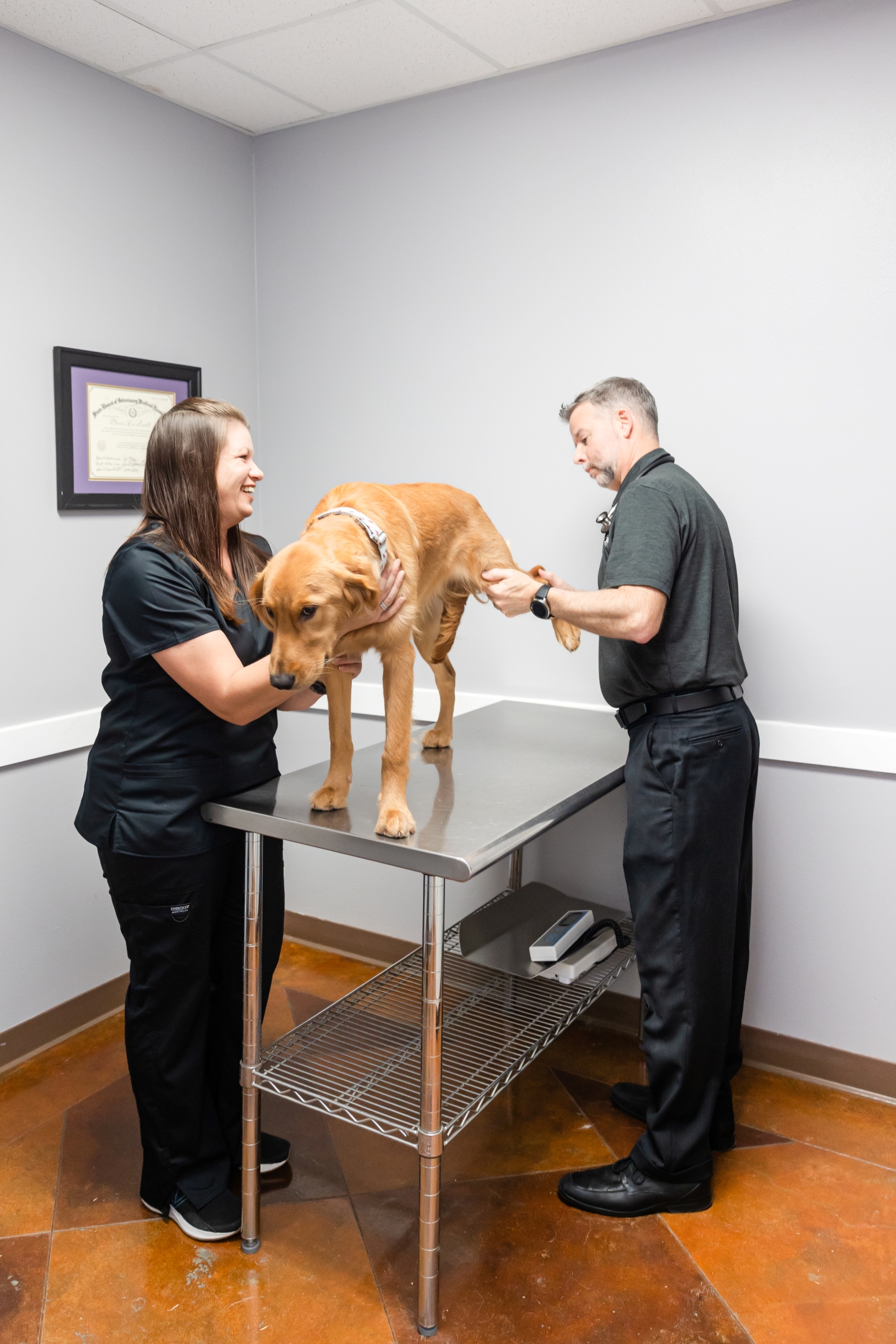
- Arrival and intake: We confirm the pet’s identity, gather updates since the last visit, and queue the patient for the exam.
- Exam and discussion: The veterinarian performs a hands-on check, narrating what they’re looking for and listening to the owner’s observations about appetite, energy, and behavior.
- Diagnostics and testing: If indicated, tests are ordered with a clear explanation of why and what the results might imply.
- Treatment and care plan: A concrete plan is laid out, with medications, at-home care steps, and follow-up timing.
- Follow-up and support: The team schedules any necessary rechecks and offers channels to reach out with questions or concerns.
This framework is not a rigid script but a reliable template that makes sense to pet owners who may not be medically trained. It’s about translating clinical reasoning into something approachable, so you don’t have to guess at what’s next.
The experience at Prairieville Animal Hospital is built on a philosophy that prioritizes patient welfare, owner education, and practical outcomes. The hospital’s clinicians know that health care for animals is a long game, not a series of one-off interventions. They recognize that pets do not read a schedule, and you, the owner, do not always have the luxury of time to digest every nuance in a single session. So the conversation is extended across visits, with notes that you can refer back to, and a care plan that remains flexible as life with a pet evolves.
In practice, this means you will often see a writerly balance of documentation and dialogue. The exam notes, though vital for medical accuracy, are presented in a way that doesn’t overwhelm you with medical jargon. When the clinician uses a term like auscultation, you will hear it in context: the heart sounds, the rhythm, whether there is any murmur. If the pet’s teeth require attention, the team explains the risks and the benefits of a dental cleaning, the expected recovery period, and what signs of discomfort you should watch for at home. The conversation blends clinical necessity with humane care, making the visit feel less like a transaction and more like a partnership.
For new clients, the first visit often has an extra layer of orientation. The staff will walk you through how Prairieville Animal Hospital handles medical records, how to set up the online portal for vaccination proofs or appointment reminders, and how to access after-hours guidance if needed. The aim is to remove mystery from the process. If you have multiple pets, the team will help you organize the care plan in a way that reduces repeated trips and consolidates vaccines or testing when possible, without compromising the animal’s health. This practical orientation matters, especially for households juggling work, children, and a handful of boarding needs or weekend activities.
One common concern for many owners is fear that their pet will be stressed by the visit. The team has learned to use a mix of calm handling, environmental adjustments, and, when possible, gentle pre-medication strategies for anxious animals. They may offer pheromone sprays in the exam room, or allow a familiar blanket from home to help the pet settle. The goal is not to eradicate stress but to minimize it in a way that preserves the accuracy of the exam and the safety of everyone in the room. When a pet is visibly anxious, the veterinarian may pause to reassure the owner, adjust the approach, or propose a plan to desensitize the visit over several shorter sessions before attempting more invasive procedures. These nuanced choices reflect a practical understanding of animal behavior in clinical settings and a commitment to humane care.
The space itself reinforces this approach. The rooms are designed to be clean and calm, with soft lighting and unobtrusive sounds. The staff moves with a confidence that comes from repetition, yet they never lose sight of the fact that every pet is different. It is this blend of routine and adaptability that makes the Prairieville experience feel grounded. You won’t encounter dramatic theatrics or flashy promises. Instead you’ll find a steady, capable team that treats each case with a sense of proportion and a respect for the human-animal bond.
If you visit Prairieville Animal Hospital regularly, you will likely notice a few recurring themes. The first is a focus on preventive care. The practice emphasizes vaccination schedules, parasite prevention, dental health, and early disease detection through routine wellness checks. The second is the emphasis on owner education. In every encounter, the staff takes care to explain what is happening and why, offering written materials or links for further reading when appropriate. The third is a sense of community. In a small town, the animal hospital becomes part of the fabric of daily life. The team knows many of their clients by name, remembers a pet’s quirks, and tracks treatment responses with a steady eye. This continuity matters to families who value consistency and a shared language about their pet’s health.
The long arc of care, however, is not solely anchored in the walls of the clinic. Prairieville Animal Hospital understands that the home environment has a major impact on a pet’s health outcomes. They provide tailored guidance for feeding schedules, exercise routines, and environmental enrichment that align with a pet’s age, breed tendencies, and medical history. The neighborhood context matters too. In a region with seasonal allergies, the team might discuss environmental triggers, the pros and cons of different antihistamines, and plans for rechecks if symptoms persist. In a household with a senior pet, the conversation naturally shifts toward mobility aids, weight management, and cognitive health, with the medical plan aligned to what the family can realistically maintain.
Practical details that affect people’s daily routines are part of the fabric as well. The hospital’s appointment cadence is designed to minimize wait times while maximizing the quality of the visit. If you’ve ever been frustrated by a prolonged wait in a vet clinic, you’ll appreciate the balance here: the clinic often staggers appointments to reduce crowding but also remains nimble enough to accommodate the occasional urgent case without compromising safety. The check-out process typically includes a quick recap of what was discussed, a summary of medications or therapies prescribed, and a clear outline of the next steps. If there is a need for a follow-up appointment, the staff helps you plan it in a way that fits your calendar, sometimes offering weekend slots or extended early morning hours to accommodate work schedules.
The experience of care at Prairieville Animal Hospital is not static. It evolves as new evidence, client feedback, and community needs surface. The team takes lessons from every case and uses them to refine their practice, whether that means adjusting how they present treatment options, updating patient education materials, or reconfiguring a reception workflow for smoother service. This kind of reflective practice matters because animal health care is not a fixed science. It is a dynamic process that marries clinical judgment with practical realities at home, in the car, or at daycare.
Finally, it is worth remembering that a visit to Prairieville Animal Hospital is not limited to the moment inside the building. The clinic’s approach extends beyond vaccines and exams into ongoing wellness relationships. The veterinarian’s notes integrate with lifestyle advice, ensuring that the care plan remains coherent as time passes. If you want to understand the big picture of your animal’s health, you can expect a conversation that ties together growth, aging, disease risks, and personal goals for quality of life. The most successful visits leave you with a sense of clarity and agency. You leave not with a long list of things you must memorize but with a practical playbook you can implement in the weeks ahead.

Two concise guides for readers who want to prepare or reflect after a Prairieville Animal Hospital visit:
-
Before the visit:
-
Bring a current list of medications, including supplements and vitamins, with doses and frequency.
-
Note any changes in appetite, energy, thirst, or bowel habits since the last visit.
-
Bring your pet’s previous medical records if you are a new client or if your pet has complex health issues.
-
Prepare a list of questions or concerns, prioritizing them by importance.
-
After the visit:
-
Follow the home care instructions as written, and keep a simple log of how your pet responds.
-
If a new medication is prescribed, give it at the same time each day and monitor for side effects.
-
Schedule the follow-up visit or recheck if the veterinarian recommended one, even if your pet seems better.
-
Contact the clinic if you notice any red flags such as persistent vomiting, inability to keep fluids down, or significant lethargy.
The bottom line is straightforward. Prairieville Animal Hospital treats veterinary visits as a partnership between clinician and owner, rooted in practical, compassionate care. The patient benefits from experienced hands, clear communication, and a care plan that can live in the real world of pet ownership. If you want a clinic that values your time and your animal’s wellbeing in equal measure, this is the kind of practice where a routine check becomes a foundation for longer, healthier years together.
In the end, a visit to Prairieville Animal Hospital is less about the single appointment and more about the ongoing conversation you have with your pet’s health. The team’s approach—steady, informed, and humane—acknowledges that every animal is an individual with its own story. That recognition guides every small decision, from the moment you arrive to the moment you return home and start implementing the plan. It is, in practice, exactly what you hope to find when you entrust your companion’s care to a veterinary team: competence you can feel, care you can trust, and a shared belief that good health is a daily effort, built on the quiet confidence that comes from years of hands-on experience.