Prairieville Animal Hospital's Top Tips for Preventive Pet Care
In Prairieville, the everyday life of a pet owner blends routine with the unexpected. The habits you establish now echo through a dog’s energy in the afternoon, a cat’s appetite after sunrise, and a senior dog’s comfort on a cool evening. The goal of preventive pet care is simple in concept but nuanced in execution: catch problems early, support a life that stays active, and ask fewer big questions when the health issues arise. From our experience at Prairieville Animal Hospital, preventive care is not a single visit or a single product. It’s a rhythm you cultivate across the year, one that folds into daily routines, seasonal adjustments, and a relationship with a veterinarian who knows your pet’s history as if it were their own.
The neighborhood clinic matters in ways that show up far beyond the exam room. People who walk through our doors often tell stories of long weekends spent with ailing pets, and those stories become the practical compass for how we guide care. We listen for what worries you, we measure what we can observe, and we couple that with data from modern diagnostics to craft plans that are doable in real life. This article changes shape with every pet and every household. Still, the core truths stay steady: vaccines, parasite control, dental health, weight management, and early disease screening form the backbone of a healthier, happier life for most companion animals.
Seasonal awareness shapes preventive choices. In Prairieville, where summers lean hot and winters carry a damp edge, the calendar itself becomes a kind of care partner. We see reptiles basking in sunlit corners during spring, dogs dog kennels near me adjusting their exercise routines as heat climbs, and cats showing subtle changes as daylight shifts. The practical payoff is clear. When you align vaccines, dental cleanings, and routine lab work with the rhythms of the year, you reduce surprises and extend vitality. The following sections blend the why with the how, offering concrete steps you can take, drawn from years of clinical practice and the day-to-day realities of running an animal clinic near me that serves a broad spectrum of families.
Why preventive care matters, beyond the obvious vaccines and vaccines alone, is that it positions you to observe subtle shifts in behavior or appetite that might otherwise slip by. A pet’s reluctance to jump into the car, a change in coat texture, or a preference for soft foods can be early signals. When you make a habit of weighing your pet during routine visits, you create a personal baseline that makes deviations easier to detect. A routine checkup is not just a formality; it is an opportunity to catch patterns that reveal a trend before it becomes a problem. In practice, the most meaningful gains come from consistency. A household that commits to regular dental care, year-round parasite prevention, and weight management reduces risk across several organ systems and buys years of comfortable living for the animals we love.
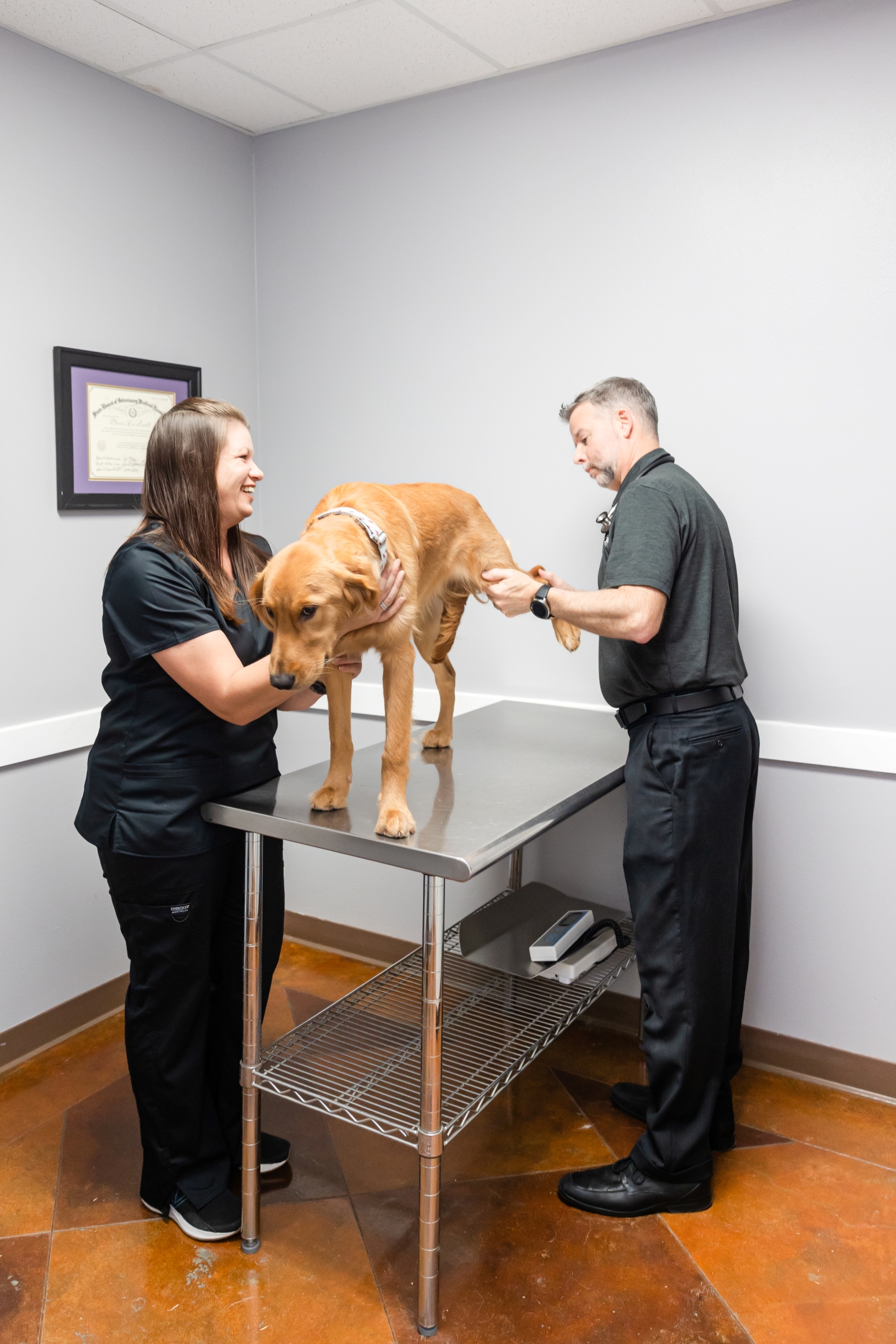
The clinic’s approach is practical, not theoretical. We see preventive care as a collaborative effort with you, the pet owner. We talk through the roles you can play at home and the constraints that come with busy schedules. The aim is to design a plan that fits real life, not a plan that sits on a shelf. That means clear expectations about vaccines, which should be tailored by species, age, and lifestyle, and about parasite prevention, which must reflect exposure to fields, neighborhoods, and seasonal changes. We do not pretend a one-size-fits-all model exists. Instead, we offer a framework you can adapt as your pet grows—whether that means adjusting a pantry supply by the kitchen sink or scheduling a midweek check in on a calendar.
Vaccination programs, dental health, weight management, and early disease screening anchor preventive care. But there is more to the picture than the big four. What makes a plan durable is the way it responds to a pet’s daily life. For instance, a dog that spends sunny afternoons on a screened porch benefits from parasite protection and a flexible exercise plan that matches the season. A cat who roams inside and outside will benefit from dental care that supports essential chewing and ingestion, which in turn affects nutrition and mood. Senior pets demand closer monitoring. The moment we recognize a shift in mobility, appetite, or energy, we adjust both diagnostics and lifestyle recommendations to keep comfort high and risk low.
Seasonal care routines that work in practice
The seasonal cycle shapes care in tangible ways. Prairieville summers can push outdoor plans indoors, and winter days demand strategies for warmth and joint comfort. The practical effect is a calendar that blends medical visits with at-home routines. For most households, a successful preventive program looks like a combination of scheduled veterinary visits, a steady home care routine, and smart decisions around nutrition and activity. Here are core elements that recur with reliability and that you can begin implementing this week.
First, keep a predictable vaccination and wellness rhythm. Vaccines remain the most effective shield against infectious diseases with serious outcomes. They are not just a single shot at puppy or kittenhood; they are a sequence that grows with your pet’s life stage. A typical wellness plan includes core vaccines appropriate for species, along with boosters and occasional disease-specific updates based on risk factors. If your dog spends time in daycare or boarding facilities, consistent vaccination is even more pivotal. For cats, indoor life does not mean immunity from risk, so a tailored vaccine schedule is equally important.
Second, commit to parasite prevention as a year-round habit. Fleas, ticks, and heartworms do not observe your schedule. Their seasonality shifts, but the risk persists. A practical approach blends topical or oral preventives with environmental hygiene—regular vacuuming, washing bedding, and treating the yard when exposures are higher. If you travel, if a boarding stay is on the horizon, or if your pet has older legs or cardiac concerns, parasite prevention becomes a more nuanced conversation. The aim is predictable protection that you can trust, not last-minute scrambling after an outdoor excursion.
Third, dental health cannot be postponed without cost. Oral health directly links to systemic health. We see the effects in slow but steady weight changes, breath quality, and appetite, as well as in more dramatic signals like difficulty eating or swallowing. Regular brushing at home, specialized diets, and professional cleanings at intervals appropriate to the pet’s age and enamel condition form the backbone of sound dental care. The numbers are real: pets that maintain dental health tend to have healthier gums, better energy, and less dental pain that could curb daily activity.
Fourth, manage weight with realistic, measurable goals. In a culture that rewards quick results, a sustainable approach remains behind the scenes, quietly effective. Weight management starts with a precise body condition score and a plan that balances calories with activity. It includes mindful portion control, but it also considers the pet’s metabolism, age, and medical history. The benefit is multi-layered: improved mobility, lower risk for diabetes, and a healthier coat and skin appearance. We often see significant gains when owners track progress weekly and adjust portions before the scale reveals a plateau.
Fifth, screen early for breed- or age-related conditions. A key advantage of annual or biannual exams is the chance to catch problems before they develop into symptoms large enough to disrupt daily life. Blood work, imaging when indicated, and targeted screenings for common issues in age groups give us a diagnostic head start. A mid-life check often reveals subtle shifts in kidney function, liver enzymes, or thyroid status that are easier to manage when addressed promptly. The goal is not fear or alarm but informed planning and timely treatment when needed.
Two practical at-home routines with real impact
To translate medical knowledge into everyday life, you want routines that are easy to maintain and hard to forget. The best routines emerge from simple, repeatable acts that you can perform without heavy equipment or specialized knowledge. If you are consistent with a small number of daily or weekly tasks, you create a reliable health envelope around your pet.
The first routine is a daily observation practice. Spend a few minutes each day noting mood, appetite, energy for play, and any changes in urination or stool patterns. A simple notebook or a digital note works fine. Over weeks, these observations build a narrative you can share with your veterinarian. The more you know about your pet’s baseline, the quicker we can spot a subtle deviation that deserves attention. If you notice a persistent change—loss of appetite, recurring vomiting, unusual lethargy—do not wait. A timely check can prevent escalation.
The second routine centers on home care for mobility and comfort. For dogs with hips or elbows showing signs of wear, small daily conditioning exercises—gentle range-of-motion movements, controlled leash walks, and a short, predictable routine of stretching—can slow the pace of functional decline. Cats benefit from environmental enrichment that encourages movement, such as climbing structures, puzzle feeders, and scheduled play that fosters digestion and tone. You do not need to become a physical therapist overnight, but tiny, consistent actions add up to meaningful improvement over months.
The role of pet boarding and day-to-day operations near Prairieville
For families balancing work, travel, and care, an established local partner makes a real difference. Prairieville Animal Hospital serves as more than a clinic; it is a resource for planning and continuity. When you consider pet boarding near Prairieville, think beyond the kennel. The best facilities integrate medical oversight, enrichment, and humane handling into a program that respects both safety and mental well-being. If your pet deals with anxiety or stress in new environments, ask about accommodations that can ease transitions—gentle routines, familiar toys, and supervised play that mirrors home life. A well-run boarding experience should leave your pet calm, not exhausted, and you should feel confident that staff can respond to medical or behavioral needs as they arise.
Beyond boarding, our practice emphasizes accessibility and transparency. You want a veterinarian near me who understands your pet’s history and your household dynamics. This means clear communication about what tests are recommended, why they are needed, and what the results could imply for daily life. Our team aims to keep you informed with practical explanations, avoiding jargon and offering concrete steps you can take in the days after a visit. It is not enough to know what a problem is; you need to know how to keep it from getting worse and how to measure progress when you implement changes at home.
Two lists that illuminate practical paths forward
-
A practical preventive care checklist you can adopt now 1) Schedule a wellness visit with updated vaccines and a full physical, especially if your pet is due for boosters. 2) Establish a parasite prevention routine that matches your pet’s exposure and season, and set reminders for monthly administration. 3) Implement a dental care plan that includes brushing at least several times per week and a veterinary dental cleaning when indicated. 4) Set a weight target based on a current body condition score, then adjust food and activity to reach a healthy range gradually. 5) Plan a screening panel appropriate to age and risk, including blood work and, when needed, imaging.
-
Key signs that warrant a veterinary call between regular visits 1) A sudden change in appetite or water intake that lasts more than a day or two. 2) Persistent vomiting or diarrhea beyond a brief episode. 3) Lethargy, sleepiness, or a noticeable drop in activity lasting more than 24 hours. 4) Difficulty walking, limping, or signs of pain during movement. 5) Behavioral changes such as hiding, aggressiveness, or confusion that seem unusual for your pet.
These lists are not about making things more complex, but about giving you tangible anchors. They are designed to be read and applied without delay, especially when life becomes busy and you need to lean on something reliable.
Senior pet care as a distinct focus
As pets age, preventive care shifts in emphasis. A 10-year-old dog or a 12-year-old cat still has days of curiosity, but those days often require more deliberate management. Senior pets benefit from more frequent checkups, a targeted lab panel that can illuminate early kidney, liver, or metabolic changes, and a careful look at mobility and pain control. The conversation about senior care is not about inevitability; it is about prioritizing comfort and function. We discuss nutrition that aligns with metabolic rate and disease risk, supplements where appropriate, and an exercise plan that maintains strength without overexertion. You will find that the most valuable hours in senior care are not the big emergencies but the quiet days when small improvements keep a pet engaged with the world around them.
Practices that respect your time and your wallet
Healthcare is a shared journey where costs and logistics matter. We approach preventive care with honesty about what is essential and what can be staged to fit your budget. Preventive care does not have to be an all-or-nothing proposition. We can tailor a plan by season, then layer in additional services as needed. If a home environment supports a slower pace of life because of mobility challenges, we adjust recommendations to maximize comfort while maintaining momentum toward health goals. The most important thing is engagement: you showing up for the check, us guiding you through the choices, and both of us staying aligned on what matters most for your pet’s daily life.
From the front desk to the exam room, the ethos is continuity. You will notice that our hospital prioritizes strong relationships. We know your pet’s routine, we know the family calendar, and we know the moments when care has to adapt. In practice, that means you can expect a clear treatment plan after every visit, with a practical schedule for next steps. It also means we are not shy about revisiting plans if your circumstances change. We understand that what works for a single dog may not work for a cat with a different temperament, or for a senior pet dealing with arthritis and sensory changes.
A note on accessibility and community
Access to reliable veterinary care should not hinge on where you live or how much you can spend in a given month. Prairieville Animal Hospital is committed to transparent pricing and fair, practical options that support long-term health. We offer guidance on affordable vet services when possible, without compromising the quality of care that your pet deserves. The goal is to help you build a sustainable routine that fits your life, rather than forcing you to fit your life into a rigid medical plan. If you ever feel overwhelmed by the array of choices, that is a signal to pause, ask questions, and choose a path that feels right for your household.
A closer look at the practical choices around boarding, clinics, and near-me considerations
Scheduling and planning for your pet’s needs can feel like a juggling act. Boarding and day care are not merely about keeping a pet safe while you are away; they are about preserving routines and avoiding stress that can lead to illness or discomfort. When evaluating an animal clinic near me, consider the clinic’s focus on preventive care in addition to acute care. A clinic worth trusting will approach each visit with the aim of strengthening your pet’s baseline health, not simply reacting to symptoms. User-friendly hours, clear communication channels, and a willingness to discuss pricing and treatment alternatives all contribute to a healthy, ongoing relationship.
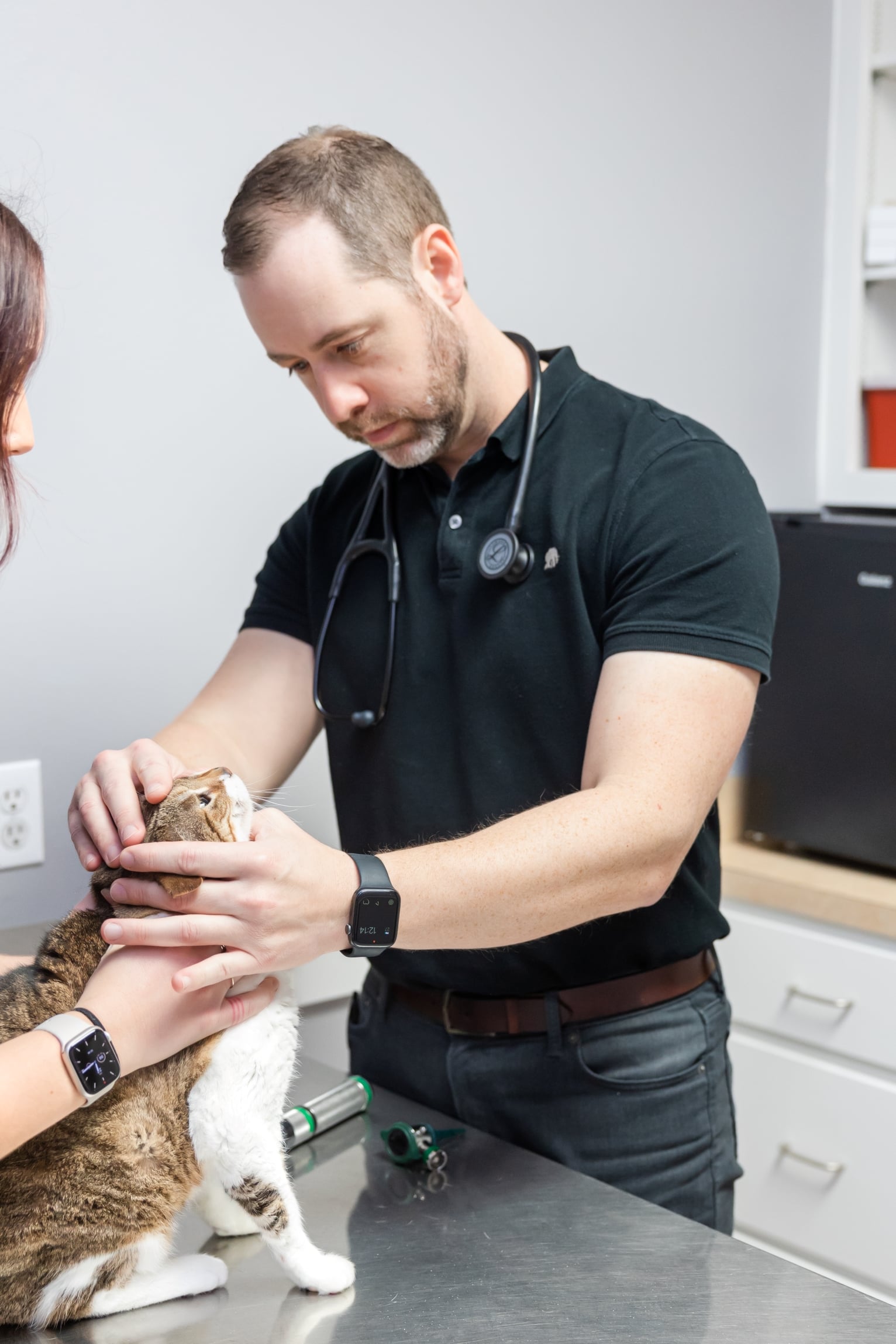
In our practice, we view every appointment as a touchpoint that strengthens the broader care plan. That means not only diagnosing a problem but also explaining how your daily choices influence outcomes. We describe the reasoning behind vaccines, the purpose of intervals between teeth cleanings, and the rationale for any recommended blood work. When you can listen to the logic behind the advice, you gain confidence in the plan, and that confidence translates into better adherence.
Edge cases and practical constraints
No plan is perfect. The real world introduces edge cases that require nimble thinking. Some pets respond differently to preventive medications; a few may have adverse reactions requiring a switch to alternative products or schedules. When an owner travels often or has irregular routines, the home care plan needs flexibility. In other cases, a medical condition like early kidney disease or a chronic skin issue can shift the priority balance, elevating some tasks above others. The skillful part of preventive care is recognizing these scenarios and adjusting without losing the thread of the overall health trajectory.
What success looks like in the long view
The best indicator of success is consistent vitality across the months and years. You will notice it in a dog who still greets you at the door with a wag after a long day, in a cat who enjoys a favorite window seat, and in a senior pet that remains comfortable enough to explore textures and sounds in the home. The data that matter most are not just numbers on a chart but the way a pet behaves in daily life: the speed of a morning stretch, the steadiness during a short walk, the ease of climbing stairs. These signals, together with routine health checks, create a durable shield against disease and discomfort.

Final thoughts
Preventive pet care is not a single act but a living practice, a collaboration with a veterinarian who shares your goals for a pet that ages with dignity and joy. The plan you choose today should feel doable, adaptable, and attentive to the realities of your life. The edge you gain comes from consistency and the willingness to lean into the relationship you have with your pet. When you practice preventive care with intention, you invest in more peaceful evenings, more climbing adventures, and more afternoons filled with the simple pleasure of companionship.
If you are seeking an animal clinic near me that combines accessible care with a clear, compassionate approach, Prairieville Animal Hospital stands ready to help. Our team understands the rhythms of Prairieville and the needs of the families we serve. We will work with you to design a preventive care program that respects your budget, your schedule, and your pet’s unique life story. The road to lasting health is paved with small, steady steps, and the rewards show up in the way your pet moves, eats, and smiles every day.