Pet Boarding at Prairieville Animal Hospital: What You Need to Know
A kennel can be a small hotel or a temporary home away from home, and the right setting makes all the difference for a pet that is already stressed by travel, illness, or routine changes. Prairieville Animal Hospital has developed a boarding program that reflects long experience with animals and a practical understanding of what owners want most: safety, comfort, and steady veterinary oversight. The goal is not simply to keep a dog quiet or a cat out of trouble. It is to create an environment where pets continue to feel secure, receive attentive care, and stay connected to their regular veterinary team.
If you are weighing boarding as an option for your companion, you will likely have questions about how Prairieville handles intake, daily routine, medical monitoring, enrichment, and what happens if a health issue crops up while you are away. Below is a grounded tour of what boarding at Prairieville Animal Hospital looks like in practice, based on years of day to day work with families who rely on this service during vacations, business trips, or urgent, time sensitive situations.
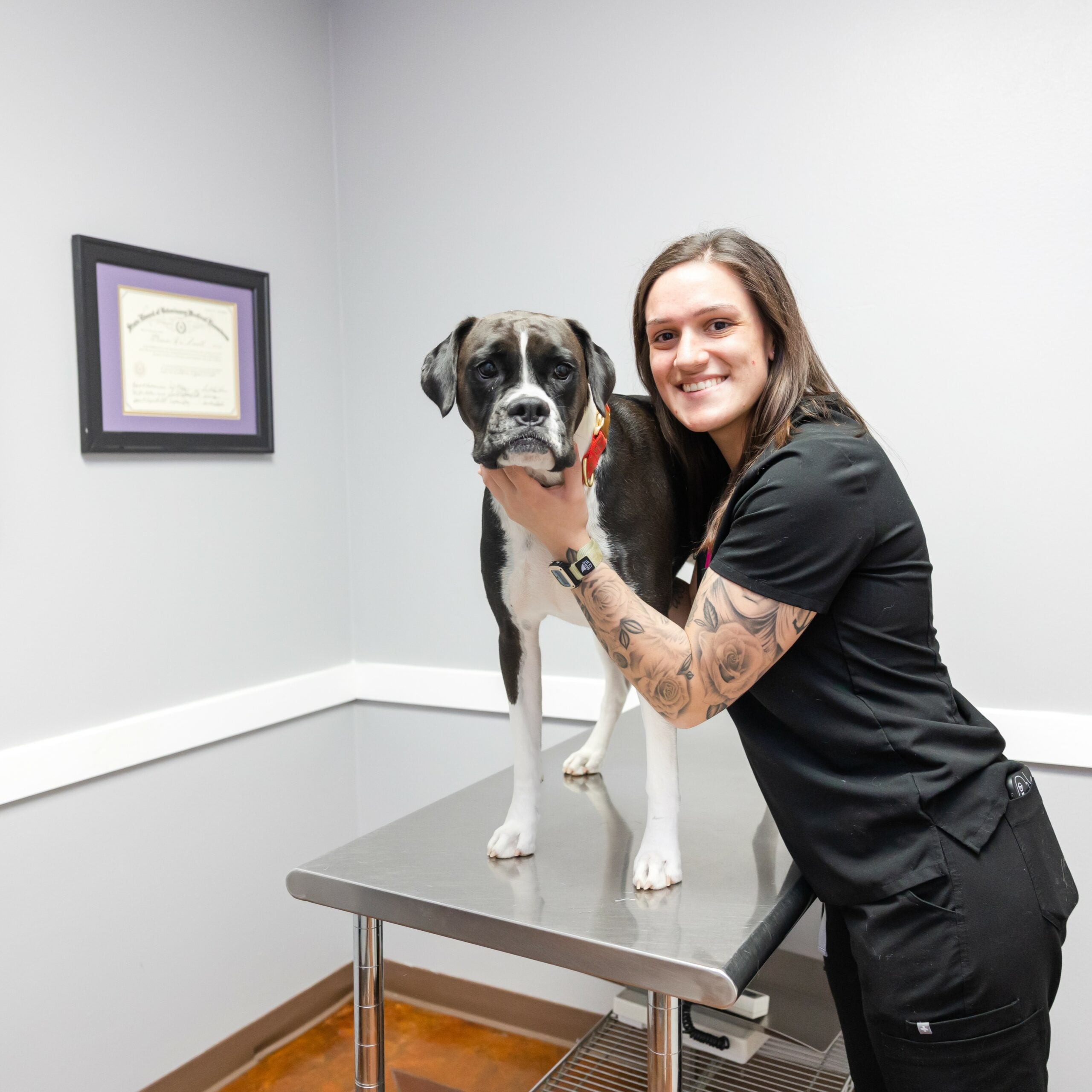
A boarding stay begins with a clear plan. When you arrive to check in, a staff member will verify your pet’s medical record, update vaccination status, and review any special needs. For many clients, this is the moment when the routine becomes predictable rather quickly. The team speaks in calm tones, matches a familiar routine whenever possible, and communicates any deviations or concerns in real time. The philosophy is simple but effective: keep the environment stable, monitor health, and intervene early if something looks off. The result is less stress for the pet and fewer surprises for you when you return home.
Why boarding matters goes beyond convenience. For some pets, a familiar scent and routine are comforting, and even short trips can be taxing for dogs with separation anxiety or cats with stress on unfamiliar territory. Prairieville’s approach blends professional medical oversight with humane enrichment. There is a careful balance between providing quiet downtime and offering stimulating activities that keep boredom at bay without overwhelming a pet recovering from illness or managing a chronic condition. The team tends to think in terms of days, not hours, when it comes to adjusting care plans. If a senior dog requires gentle daily exercise or a cat with a respiratory condition needs controlled air quality, the schedule adapts accordingly. The small details matter. A good kennel state is not about flashy features; it is about reliable routines, clean and secure spaces, and staff who read every hint a pet gives about how they are feeling.
What you can expect on intake varies with temperament and medical history. The first 24 hours are often the most telling. If your dog is shy, the staff will allow a gradual acclimation, offering a familiar toy, soft music, and quiet corners to retreat to. If your cat has never boarded before, expect a slower introduction to the room, with hiding spots and elevated perches so that the cat can observe from a distance before choosing to engage. The veterinarians on site are available for urgent concerns, and boarding staff are trained to recognize early signs of stress, dehydration, or respiratory issues. That blend of veterinary oversight and day to day care is important when you are away, because it means you are not relying on strangers to advocate for your pet’s health. Your regular veterinarian becomes the consistent reference point, even when you are not physically present.
Daily routines are predictable but flexible, which helps many pets settle in quickly. A typical day often includes scheduled feeding times, ample potty breaks, and structured play or enrichment periods. The specifics depend on your pet’s needs and your instructions. For a dog that requires frequent bathroom breaks, the staff will arrange a cadence that mirrors home life as closely as possible. For an older dog with arthritis, the staff will offer shorter, more frequent walks and time in a spot with supportive bedding. For a cat, the day may revolve around litter box maintenance, supervised play, and quiet corners for containment during busy periods in the hospital. The aim is to combine safety with gentle engagement, avoiding overstimulation while preventing boredom.
If your pet has ongoing medical needs, Prairieville is equipped to manage them during boarding. That includes administering medications, managing chronic conditions, and monitoring recovery after procedures. The team maintains a careful log of doses, times, and any observations about appetite or energy. When a pet exhibits a concerning symptom, the team consults a veterinarian for guidance and, if needed, brings you into the conversation to discuss next steps. The presence of on site veterinary staff means decisions can be made promptly, with your pet's history as a reliable frame of reference. This is especially important for pets with conditions such as diabetes, thyroid disease, heart murmurs, or skin allergies, where even small changes in routine or environment can alter how the condition presents itself.
The environment plays a significant role in how comfortable a boarding pet feels. Prairieville tends to balance comfort with practicality. Clean kennels, soft bedding, and quiet corridors reduce stress, while access to toys and enrichment activities keeps the experience engaging rather than isolating. A nice touch you will notice is how staff members interact with animals during the day. They speak softly, move calmly, and tailor their body language to each pet’s personality. For a dog that is food motivated, a quick training cue during a bathroom break can be a friendly enrichment moment. For a cat who enjoys observation from a perch, there is a window area that offers visual stimulation without overwhelming the senses. The overall objective is to respect the individual animal and provide the care that feels most natural for them in a new setting.
What to bring and what to expect at drop off and pick up can shape the entire stay. You should anticipate a few practical considerations. For most pets, bringing familiar items helps ease the transition. A blanket or shirt with your scent can be soothing, especially for longer stays. If your pet has a favorite toy or a bed that travels well, packing it can improve comfort. A recent vaccination record and any necessary medications should be clearly labeled and turned over to the boarding staff. It also helps to share your pet’s usual routine, including feeding times, special treats, and preferred walking routes. The more detail you provide, the better the staff can replicate home life while you are away.
Below are two practical lists that capture essential information without getting in the way of narrative flow. They are designed to be concise references you can consult when planning a boarding stay.
What to bring to Prairieville Animal Hospital for boarding (five items)
- A familiar blanket or bed that can travel with your pet
- A bottle or container for any ongoing medications, with clear dosing instructions
- Your pet’s current vaccination records
- A small toy or item that carries your scent for comfort
- Any special dietary items, if your pet requires them, plus a copy of the daily feeding schedule
What to expect in daily care and oversight (five points)
- Regular veterinary checks or updates to you if a health issue arises
- Quiet, predictable daily routines with breaks for potty, feeding, and rest
- Enrichment and supervised interaction tailored to canine or feline temperament
- Clean, well maintained housing with fresh bedding and appropriate climate control
- Clear communication from staff about any changes in appetite, energy, or behavior
The care at Prairieville is designed to minimize risk and maximize reassurance. When a guest is a dog, you will often see a routine that resembles a well run dog park with structured time for sniffing and exploration, paired with rest periods that honor a dog’s need to decompress after activity. You may notice quiet spaces where prairievilleanimalhospital.com cats can observe without feeling cornered, and a routine that reduces the likelihood of overstimulation. The facility is designed to be hygienic and organized, with attention paid to disease control, routine cleaning protocols, and careful handling during medication administration. It is not a sterile hospital corridor; it is a living space that recognizes the emotional as well as physical needs of a pet.
One aspect that often matters to owners is how boarding can align with preventive pet care. When your pet is away from home, the boarding team can reinforce a steady schedule that supports ongoing preventive care. For example, consistent feeding and water intake helps maintain digestion, while timely medication administration ensures chronic conditions stay stable. The team can remind you when a vaccination is due or when a wellness exam should be scheduled around a stay. In this sense, boarding serves as a touch point that keeps preventive care on track rather than interrupting it. The hospital environment makes this easier because you have access to a veterinary team who are already familiar with your pet’s medical history and lifestyle.
Senior pets require particular consideration, and Prairieville handles these cases with an extra layer of attentiveness. Aging dogs and cats can benefit from shorter walks, more frequent rest, and climate control that keeps joints comfortable. The staff closely monitors energy levels and appetite, and they are proactive about adjusting routines if a pet shows signs of discomfort or fatigue. For seniors with chronic conditions, the care plan might include closer monitoring, more frequent vitals checks, and a cautious reintroduction to activity after meals. The philosophy here is not to push a pet beyond its limits but to preserve quality of life in a routine that remains familiar.
Costs and policies are practical realities that influence decisions about who boards where. Prairieville Animal Hospital tends to structure boarding charges around nightly rates, with additional fees for medications, special diets, or extended stays. The hospital is transparent about what is included in the base rate, and they outline what may incur extra costs in advance. If you have a pet with multiple health needs, it is advisable to discuss a written plan that covers both care requirements and the expected length of stay. When you return, you will likely be asked about any changes in your pet’s routine that might require adjustment to ongoing care, such as a new medication schedule or a change in feeding times. The goal is to avoid surprises, and most families appreciate a clear, upfront understanding of charges before the stay begins.
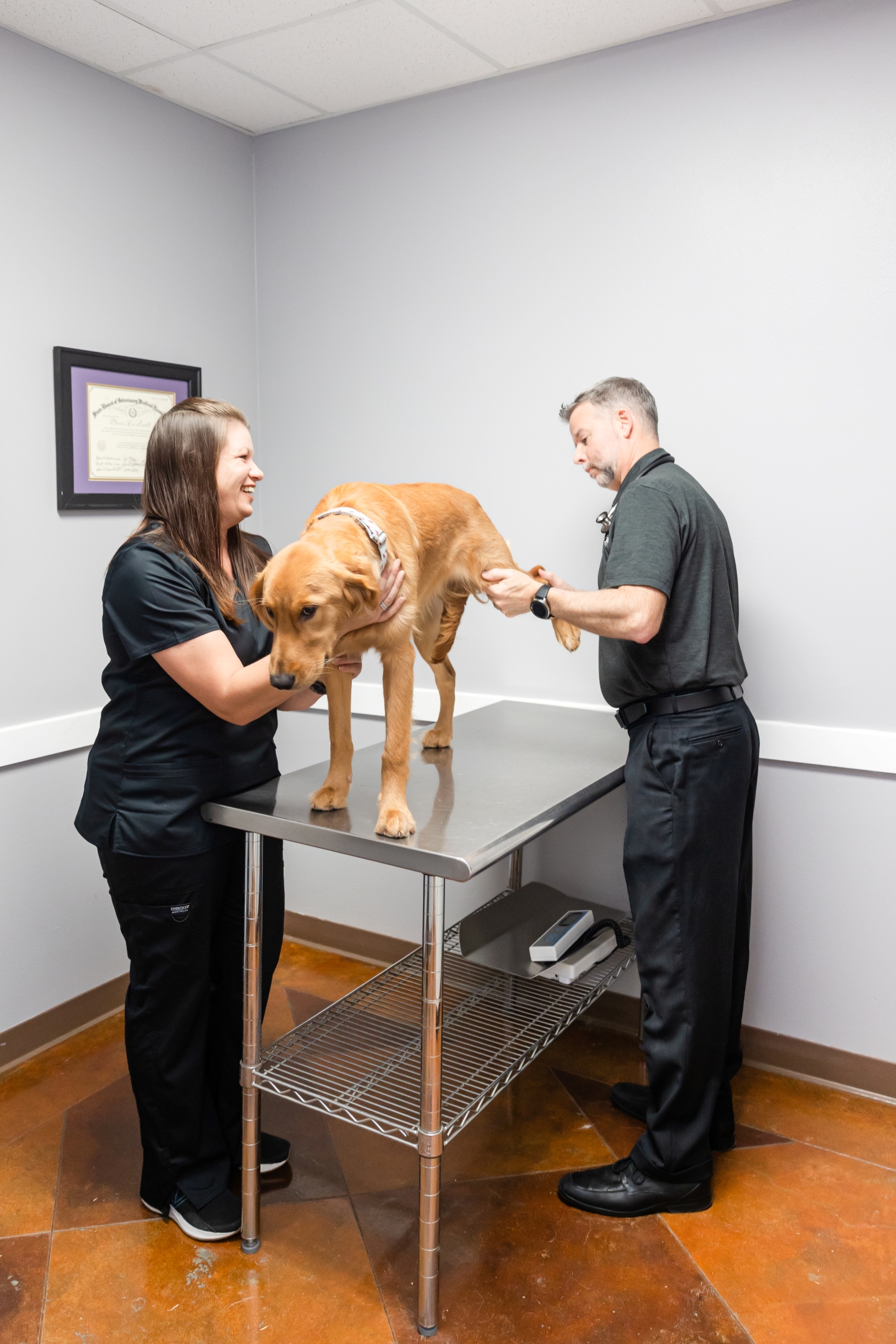
Choosing the right boarding facility means looking beyond the surface features to the actual care culture. Prairieville Animal Hospital emphasizes accessibility, consistent communication, and a readiness to handle medical contingencies. The presence of a veterinary team on site means that issues encountered during boarding can be escalated without delay. For families who travel frequently or who are managing a pet with special needs, that veterinary presence provides psychological comfort as well as practical assurance. It is one thing to have a clean kennel and a friendly staff member; it is another to know that if a health concern crops up at 10 a.m. On a Tuesday, there will be a decision made with your pet’s best interests in view and your own preferences considered in the response.
A few practical tips can help you prepare for a smooth boarding experience. First, schedule a meet-and-greet or a trial stay if your pet is newly boarded. This helps reduce stress by introducing your companion to the space gradually and allows you to observe how the team interacts with your animal. Second, maintain a consistent feeding plan as much as possible. Sudden changes in diet at boarding can exacerbate digestive upset, so bringing a familiar diet or a clearly labeled alternative helps. Third, discuss any behavioral triggers or anxiety signs in advance. If your dog hates being left alone in a room with a view or if your cat tends to overreact to loud noises, the team can adapt the setup to minimize stress. Fourth, make a plan for emergencies. Do you want to be contacted if a minor health issue arises, or should the team act on professional judgment first? Clarifying your preference reduces hesitation in a real time scenario. Fifth, confirm the pickup window and the acceptable criteria for discharge. Some clinics offer same day discharge while others require a brief rest after a procedure. Knowing the policy helps you coordinate travel and ensures you and your pet are ready to resume life at home promptly.

In most boarding stays, the end result is straightforward. The pet returns home with a clean bill of health, a memory bank filled with positive impressions of a caring environment, and a new routine that connects back to the home life you manage day to day. Owners experience relief not simply because their animal is back, but because they know a responsible, responsive team was overseeing the care in their absence. The emotional dimension of boarding is real; it is not merely about safety and medications. It is about knowing that your partner in care has a steady hand, a perceptive eye, and the capacity to communicate clearly about what happened while you were away.
To ensure you have a complete framework for decisions, you may want to consider a few common questions that families often ask when evaluating pet boarding at Prairieville Animal Hospital. How frequently is a veterinarian involved in the daily routine? What happens if a pet refuses to eat or shows dehydration signs? Are there temperature controls and air filtration systems that accommodate pets with respiratory sensitivities? How are medications stored and administered? What is the process for communication with owners during a stay if a health issue emerges? The clarity of answers matters in a decision that affects a furry member of the family.
In the end, boarding is about continuity of care. You will benefit from a setting where the staff knows your pet’s quirks, your expectations, and your vet team’s approach. Prairieville Animal Hospital has built a program that respects the animal as an individual while leveraging the resources of a practicing clinic. The experience is not about spectacle or novelty; it is about trustworthy routines, careful medical oversight, and the steady presence of people who care enough to respond quickly when concerns arise. If you are weighing this option, go with a team that can demonstrate a history of reliable daily care, transparent communication, and a genuine commitment to the welfare of every pet entrusted to them.
If you would like to explore boarding options at Prairieville Animal Hospital more deeply, the first step is often a short conversation with a receptionist who can answer logistical questions and connect you with the right clinician for your pet’s needs. You can tell them about age, health status, and any special routines that matter to you. With that information, the hospital can tailor a plan that keeps your pet comfortable and healthy from the moment you drop off to the moment you re unite at home. The relationship you establish with the boarding team becomes part of your pet’s ongoing health story, a small but meaningful thread that helps the animal navigate the world with confidence, even when you are away.