Affordable Vet Services: Prairieville Animal Hospital’s Community Promise
Prairieville is a place where front porches creak with the weight of a lifetime of shared stories, and the animal hospital that serves the town feels equally grounded in everyday reality. Prairieville Animal Hospital has built its reputation not on flashy claims, but on a steady, working commitment: to keep pets healthy and families financially sane without sacrificing care. The promise is simple, even when the territory it covers is complex. It embraces preventive care, honest pricing, and a willingness to meet people where they are, both in time and budget.
In my years working with veterinary teams and pet owners, I have learned that affordability in veterinary medicine is rarely about a single discount or a low price tag. It is about transparent costs, predictable care routines, and an environment where questions are welcomed rather than dismissed. Prairieville Animal Hospital has cultivated that environment through a blend of process, staffing, and a community-minded approach that treats veterinary care as a shared responsibility rather than a one-sided transaction.
If you are a Prairieville resident or one of the many who search for an animal clinic near me, you might first notice the practical aspects: friendly front desk staff, a clean facility, and appointment times that fit into a busy day. Behind the scenes, the hospital works to balance the needs of hundreds of families with the realities of veterinary medicine. That balance is where the true story of affordable vet services begins, and where its strength shows in the everyday decisions that keep care accessible.
A community promise is not a headline. It is a series of choices made in exam rooms, kennels, and emergency corridors. It shows up in the way vaccines are priced, the options pet care prairieville la for senior pet care, and the candid conversations about what care makes sense at a given moment. It shows up in the way the staff explains what a preventive care plan looks like for a kitten, a dog entering middle age, or a cat with a chronic condition. It is the difference between a clinic that delivers care and a clinic that walks with you through the journey of pet ownership.
The foundation of the Prairieville approach is straightforward: care should be comprehensive, reliable, and affordable enough that a family can plan for it. That does not mean cutting corners. Instead, it means designing care programs that maximize value by focusing on what matters most, delivering predictable pricing, and offering options that align with real life. The goal is to help you avoid the shock of unexpected veterinary bills while still receiving evidence-based, compassionate care for your pet.
Preventive pet care sits at the center of this philosophy. A routine schedule of vaccines, dental cleanings, weight management, and early screening tests can prevent many of the most disruptive and costly problems later on. This is the kind of care that often pays for itself over the life of a pet by reducing emergency visits and extending healthy years. Prairieville Animal Hospital has built its preventive care model around practical, scalable plans that respect the tempo of daily life. You can choose from standard packages, add-ons, and flexible payment arrangements that fit the household budget while preserving medical integrity.
Consider the everyday realities that families face. A dog who needs monthly flea and tick prevention, a senior cat who benefits from heart health monitoring, or a puppy ramping up vaccines and socialization needs all come with a cost. The hospital meets these realities with clarity. Appointments are scheduled with attention to the time required, so you don’t feel rushed, and every estimate is explained in plain language. There is no mystery in the bill, only clear expectations and options that empower you to decide what is best for your pet and your finances.
To understand how affordability actually unfolds in practice, it helps to walk through a typical visit that blends care and cost awareness. A routine check for a healthy middle-aged dog might include a general physical examination, a weight check, a heart and lungs assessment, dental status, and a conversation about daily exercise, diet, and behavior. If vaccines are due, the team reviews the exact vaccine schedule, potential side effects to monitor, and how the costs are allocated to a single visit or split across a plan. If there is a chronic condition, such as diabetes or arthritis, the hospital discusses management options that balance effectiveness with affordability, including home monitoring and lifestyle changes that can reduce the number of in-clinic visits.
This approach is not a one-size-fits-all script. It grows out of a relationship with each pet and family, built on trust. It requires listening carefully to concerns about cost, fear of unseen expenses, and the daily realities of caring for a pet. The staff’s willingness to answer questions, to break down costs into understandable components, and to propose reasonable alternatives is a key part of the experience. In many households, that small but persistent clarity makes the difference between a pet staying healthy at home and a trip to the emergency room after a crisis could have been avoided.
Health maintenance requires a steady rhythm. Prairieville Animal Hospital encourages routine scheduling as a way to keep costs predictable and care consistent. For example, a senior pet care plan acknowledges that aging brings new challenges. Monthly or quarterly checks may include bloodwork, kidney and liver function tests, and adjustments to diet and medications. The objective is not simply to treat disease after it appears; it is to catch and manage issues before they escalate. In the long run, this approach lowers total expenditures and often reduces the emotional strain that accompanies veterinary crises.
The practical realities of running an affordable practice are everywhere. Staffing levels, equipment needs, and the cost of high-quality medications all influence pricing. Prairieville Animal Hospital navigates these pressures by keeping a lean, efficient operation without sacrificing the diagnostic thoroughness that owners expect. They invest in reliable equipment, trained technicians, and continuous education for their team. The payoff is a clinic that can offer predictable pricing and dependable service even when demand spikes, as it does during seasonal illnesses or after holidays when accidental injuries become more common.
For families on a tight budget, the hospital can be a source of stability in uncertain times. The team tends to work with households to craft a care plan that prioritizes essential services while providing options to defer or spread out nonurgent procedures. The concept of affordable care does not imply compromised quality. It means a readiness to discuss trade-offs openly so that you can choose the path that aligns with your values and resources.
The care landscape has evolved in small but meaningful ways. With the rise of at-home care options, owners can often manage certain aspects of pet health with guidance from the clinic. Prairieville Animal Hospital sometimes offers education on home dental care, weight management, and chronic disease monitoring. These are not substitutes for professional care but complementary tools that help keep costs down while maintaining high standards of health. The staff’s experience with real-world scenarios informs the guidelines they share, ensuring that the advice is practical and actionable.
An additional dimension to affordability comes from community trust and accountability. When a clinic is rooted in the local community, it often has a greater incentive to design pricing and policies that reflect the realities of local families. Prairieville Animal Hospital has embraced that role by keeping an open channel for feedback, adjusting programs as needs change, and maintaining a reputation for reliability. The result is not a single price point, but a framework that can adapt to shifting circumstances without compromising the core commitment to good care.
If you are considering boarding services for your pet, you should know that affordability extends there as well. Pet boarding prairievilleanimalhospital.com is not just about a safe space while you are away. It is about consistent standards of care, adequate supervision, and cost-effective options for extended stays. The experience matters when you travel—seeing a familiar staff member greet your pet, knowing that there is continuity of care even in your absence, and understanding the pricing structure before you drop off your animal companion. In practical terms, that means transparent daily rates, clear policies on medication administration, and a method for reporting any health concerns that arise during boarding. It is a service that many families depend on, and the hospital treats it with the same careful attention they apply to routine visits.
The community dimension of affordability also comes through partnerships and educational outreach. Prairieville Animal Hospital often participates in local events, offering discounted wellness clinics or host seminars on preventive care for families. These activities are not charity in the abstract. They are strategic investments in keeping pets healthy, lower the likelihood of expensive emergencies, and strengthen the network of trust between the clinic and the people it serves. When a neighbor brings a puppy to a free or low-cost seminar and then becomes a long-term client because the initial impression was positive, the ripple effect is not tiny. It compounds through more regular wellness visits, better home care, and earlier detection of issues.
The hospital also recognizes the value of senior pet care as a distinct specialty within affordable care. Older pets present a moving target: multiple comorbidities, changing medications, shifting energy levels, and altered behavior. A practical senior care plan starts with baseline health data, followed by routine checkups every six months rather than annually. It includes discussions about disease prevention, dental health, mobility aids, and nutrition tailored to aging bodies. Costs are managed by bundling necessary tests with regular visits, offering preventive services at predictable intervals, and providing guidance on when to escalate care. The aim is to extend quality life years for seniors while avoiding the abrupt costs of late-stage interventions.
A wandering concern for many pet owners concerns the availability of care when emergencies arise. Prairieville Animal Hospital is not immune to the realities of urgent care dynamics, and this is where preparedness matters. The clinic designs its staffing and scheduling to minimize wait times while ensuring that urgent cases receive prompt attention. It is not unusual for a routine appointment to run a few minutes longer when a patient presents a subtle but significant warning sign that warrants a deeper look. In those moments, the investment in careful evaluation pays off by preventing misdiagnosis and avoiding unnecessary testing down the line. It is a clear demonstration that affordability and accuracy can coexist, even in high-stress situations.
There is a balance to be kept between education and overexposure. The hospital walks this line by centering discussions on what actually matters for a given pet, rather than turning every conversation into a sales pitch. When a family comes in with a new puppy, the conversation naturally veers toward vaccines, socialization, and early dental care. For a senior dog with mobility challenges, the focus shifts to arthritis management, weight control, and comfort-focused enrichment. These pivots are not about price manipulation but about aligning care with a pet’s life stage and the family’s resources. It is in these tailored conversations that affordability proves itself to be more than a price tag. It is a living, ongoing plan that respects the animal and the people who care for it.
No article about an affordable practice is complete without addressing the realities of medical decision-making. Veterinary medicine is not a pure market with one right price for every service. It is a field where decisions must balance clinical judgment, animal welfare, and family circumstances. Prairieville Animal Hospital leans into this complexity by offering clearly explained options, including less costly alternatives when they are clinically appropriate. For instance, when a diagnostic test could be considered, the team will discuss the potential value of the information, the impact on treatment decisions, and the cumulative cost over time. If a test would not change the plan, the recommended route may be to observe and monitor or to pursue a staged approach. The goal is to avoid up-front costs that do not yield meaningful benefits while still preserving the possibility of decisive action if the situation evolves.
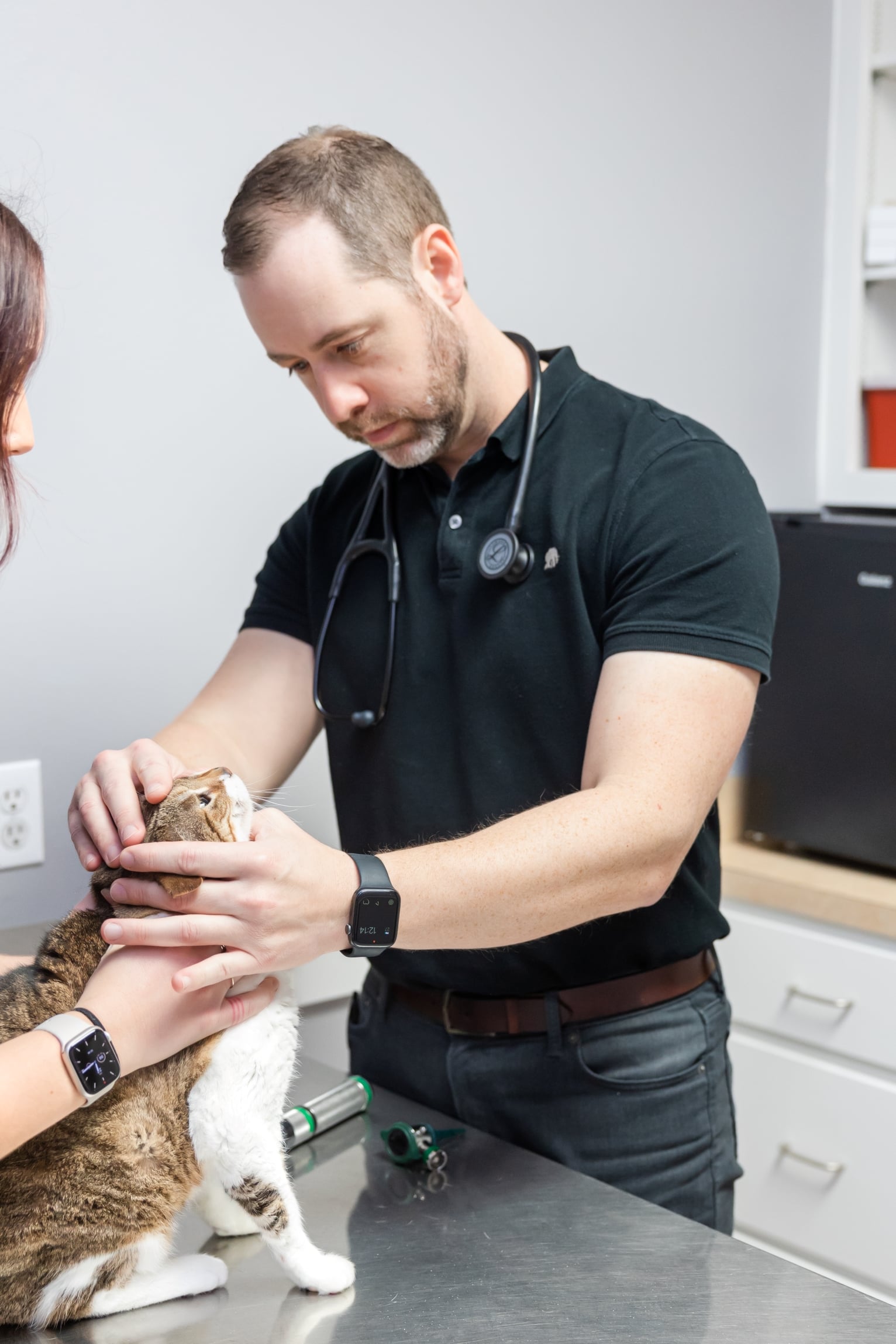
The essence of the clinic’s approach can be captured in a few practical statements that guide everyday decisions, both for the staff and for the families who walk through the door. First, care is patient-centered, not payment-centered. Second, costs are transparent and explained early in the process. Third, options are offered that align with the pet’s needs and the family’s resources. Fourth, the team remains available for questions after the visit, helping owners interpret the next steps and how to budget for them. Fifth, the community lens remains active—part of a broader network of local care that values trust as highly as skill.
The experience of affordability at Prairieville Animal Hospital is not a glossy narrative. It rests on small choices that accumulate over time into a reliable standard of care. A front desk clerk who can break down a bill into line items with patience, a technician who can explain the role of a heartworm test in the context of a dog owner’s risk profile, a veterinarian who can propose a preventive plan that starts with a baseline and grows with the pet—these are the everyday touches that define the patient experience. And they are the elements that allow families to plan for veterinary care rather than dread it.
Two concrete manifestations of the hospital’s community-focused approach deserve highlighting. They illustrate how the philosophy translates into practice and how it benefits real households facing real decisions.
First is a well-structured preventive care program. The program is designed to cover the essentials without surprising families with hidden costs. It typically includes regular wellness exams, age-appropriate vaccines, dental prophylaxis, basic blood work for early detection of disease, and guidance on nutrition and exercise. The pricing framework is arranged so that routine care remains predictable across the year, reducing the friction that comes with unexpected quarterly bills. For families with multiple pets, there are bundled options that reward consistency and help them avoid the management puzzle of scheduling and payment.
Second is a senior pet care pathway. This pathway acknowledges that aging dogs and cats often require more nuanced attention, from mobility support and pain management to kidney and thyroid monitoring. The hospital supports seniors with a plan that includes semiannual checks, selective use of diagnostics, and a proactive stance on maintaining comfort and function. Costs are kept transparent and predictable, with an emphasis on simple decisions that preserve a pet’s quality of life. In practice, this means that a senior dog might receive periodic blood tests, adjusted medications, and a diet plan that supports joint health and metabolic balance, all coordinated with the owner’s budget and lifestyle.
The hospital’s philosophy finally comes to life in the day-to-day acts of care. A puppy’s first vaccination schedule is explained with the tangible steps needed to complete it on time and with the costs laid out clearly. A cat with mild dental disease is offered a plan that targets cleaning and home care routines to slow progression, with a transparent estimate of what the procedure itself would entail versus the benefits of early intervention. A dog with arthritis may be guided toward a combination of weight control, joint-friendly exercise, and, when appropriate, medication, with the understanding that these choices carry different cumulative costs and benefits. Each scenario reflects the hospital’s belief that care should be guided by real conditions and real numbers, not by fear of bills.
In practical terms, affordability is also a matter of accessibility. Prairieville Animal Hospital has designed appointment availability to minimize the time families spend waiting and to maximize opportunities for timely care. When a pet needs urgent attention, the clinic has a protocol that prioritizes the most critical cases while keeping the rest of the schedule moving. For families, this translates into confidence that they can obtain timely medical input without the dread of an unmanageable bill. It is the intersection of triage efficiency with compassionate, thorough examination that often makes the difference in outcomes.
There are obvious trade-offs in any model that seeks to balance clinical excellence with cost containment. The hospital recognizes these trade-offs openly and treats them as a part of everyday practice rather than as a rhetorical challenge. For instance, a routine appointment may not include a full battery of tests if the clinical signs do not justify them. The team explains why certain tests are not necessary at that moment and what indicators would prompt a different course. This approach reduces unnecessary procedures while maintaining the standard of care. It also helps families feel more in control of the process, which in turn strengthens trust and adherence to the plan.
Affordability, in the end, is about enabling responsible care through support and clarity. Prairieville Animal Hospital has consciously chosen to reject the idea that affordable care must look inferior or that high-quality care has to carry a prohibitive price. The practical reality is that by focusing on preventive care, senior pet management, transparent pricing, and community engagement, a veterinary practice can sustain itself while keeping care accessible. This is not a marketing slogan. It is a lived workflow that staff members discuss in training, implement in the clinic, and reflect upon in every patient interaction.
If you are weighing options for pet care and you want a sense of what it means to find a clinic that aligns with your needs, consider how you would assess value beyond the sticker price. Look at the clarity of the care plan, the willingness to adapt recommendations to your situation, and the presence of a real, ongoing relationship with the care team. A good clinic should feel like a partner rather than a kiosk. It should invite questions, provide transparent estimates, and follow through on commitments with consistency. Prairieville Animal Hospital’s approach aims to embody these qualities.
The long view matters too. Affordability is not a one-off decision but a habit formed over a lifetime of pet ownership. The first veterinary visit sets the tone for the years ahead. If you establish a pattern of preventive visits, home care education, and a reliable response to changes in your pet’s life, you are laying the groundwork for a healthier pet, fewer emergencies, and a more predictable budget. The Hospital’s programs are designed to support that trajectory, not disrupt it with unexpected costs or uncertain terms. It is about creating a reliable baseline so that families can plan with confidence.
To those who live near Prairieville or who travel for care, the promise remains meaningful. The clinic’s promise is not only about what happens inside the exam room. It extends to the community outside the walls through outreach, education, and accessible services. It is a reminder that veterinary care can be a shared endeavor, with the hospital acting as a steady partner in family life. And when a family returns for a follow-up visit, the recognition in the staff’s faces, the careful review of progress, and the patient-centered dialogue reaffirm that promise in a tangible way.
In the end, affordable vet services at Prairieville Animal Hospital are about more than price points. They are about the ethos of care that respects pets as family members and respects the people who love them. They are about a community that understands that prevention saves more than money; it saves trust, stability, and peace of mind. They are about a practice that chooses to show up, day after day, with clear plans, honest conversations, and a readiness to adapt when life requires it. If you have ever worried about how to balance the welfare of your pet with the realities of the budget, this is the kind of approach that can make a real difference.
Two quick reflections for readers who have not yet engaged with Prairieville Animal Hospital but are weighing options. First, ask for a breakdown of costs before any procedure. A responsible clinic will provide a line-item estimate, explain the necessity of each component, and outline alternatives when appropriate. Second, request a preventive care plan tailored to your pet’s age, lifestyle, and risk factors. A plan that evolves with your pet’s changing needs is a sign of a practice that sees you as a partner, not just a patient number. These steps can empower you to make decisions with clarity, which is ultimately what affordable care should feel like in practice.
For anyone who has stood at the threshold of a veterinary bill decision with a sense of hesitation, the Prairieville model offers a different stance. It is not a guarantee against disease or accident, but it is a promise that care can be predictable, supportive, and within reach. It is a reminder that affordability is not a dream but a daily reality executed through honest pricing, patient-centered planning, and communities that stand together in the care of the animals we share.
Two practical considerations memorialize the real-world texture of this approach:
-
The value of consistency. Regular wellness checks, timely vaccines, and ongoing management for chronic conditions create a continuum of care that reduces emergencies and extends life expectancy. The predictability of costs across a year makes budgeting feasible for families.
-
The power of personalization. Every pet is different, and so is every household. The clinic’s willingness to tailor plans, discuss options, and adjust as life changes is what elevates the experience from routine to meaningful.
The Prairieville story is still being written, one appointment, one boarding stay, one educational session at a time. It is a story of practical care that does not pretend to be perfect, but promises to be steady, reliable, and reachable. It is about a community that expects more than a quick fix and receives, instead, a consistent commitment to health, well-being, and dignity for every pet that passes through its doors.